Italian Classics
A Guide to Authentic Neapolitan Pizza Dough
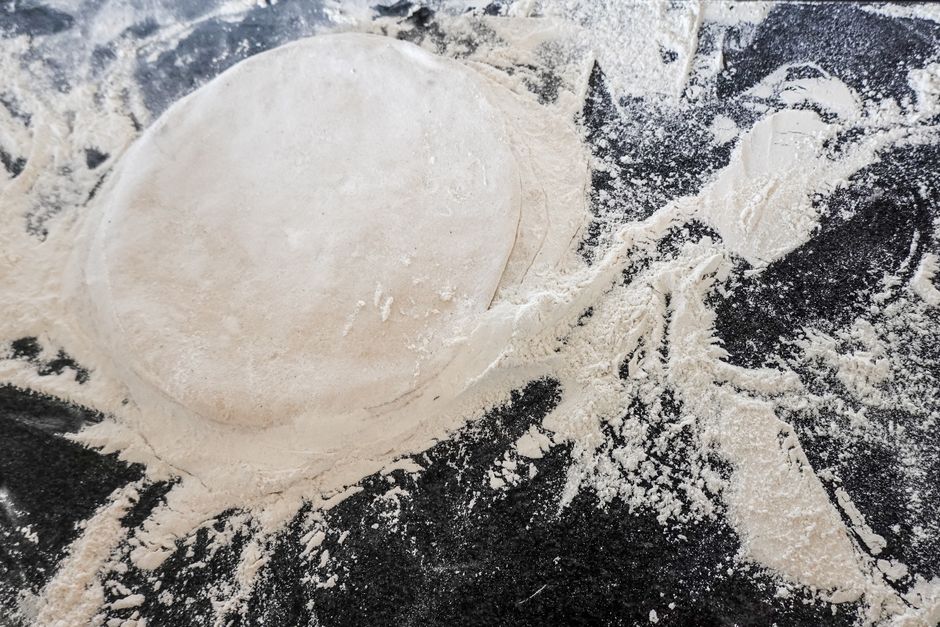
Learn the traditional techniques for making Neapolitan pizza dough at home, including…
Read
European culinary traditions vary widely across the continent, shaped by geography, climate, and historical context. In Mediterranean regions, warm temperatures and proximity to the sea support olive oil, fresh vegetables, and seafood. Northern European cuisines often feature hardy grains, root vegetables, and preserved fish, reflecting colder climates and longer winters. Historical trade routes, migration, and settlement patterns have introduced ingredients and techniques that blended with local practices. Mountainous areas tend to favor aged cheeses and cured meats, while coastal communities emphasize fresh catch and salt preservation. These factors create distinct regional food identities without implying one is superior to another. Understanding this diversity offers context for the ingredients and methods used in different parts of Europe.
Europe’s culinary landscape is as diverse as its geography, with each region offering distinct flavors shaped by history, climate, and local ingredients. From the Mediterranean’s sun-ripened tomatoes and olive oil to Scandinavia’s smoked fish and rye bread, every country contributes unique techniques and traditions. Exploring these cuisines not only enhances your cooking repertoire but also connects you to centuries of cultural heritage.
Regional ingredients are the heart of European cooking. In Italy, San Marzano tomatoes and Parmigiano-Reggiano define authentic dishes; France boasts its butter, wine, and fresh herbs; Spain is known for saffron, jamón, and pimentón. Mastering these ingredients means understanding their origins and best uses. For example, a simple pasta dish can be transformed by using high-quality olive oil and aged cheese, while a French sauce relies on the right wine and butter.
Cooking methods vary widely across the continent, each developed to make the most of local resources. Slow braising in France, quick sautéing in Italy, and grilling in the Balkans are just a few examples. By understanding these techniques, home cooks can bring authentic European flavors to their own kitchens, whether it’s a hearty goulash or a delicate crêpe.